South Dakota winters are hard on buildings, and rental properties often take the brunt of it. Between frozen pipes, ice dams, and tenants who may not know how to spot early warning signs, a little preparation in the fall can save a landlord thousands of dollars once the temperature drops. Here’s how to get a rental property ready for winter, and the coverage that backs you up if something still goes wrong.
Start With the Exterior
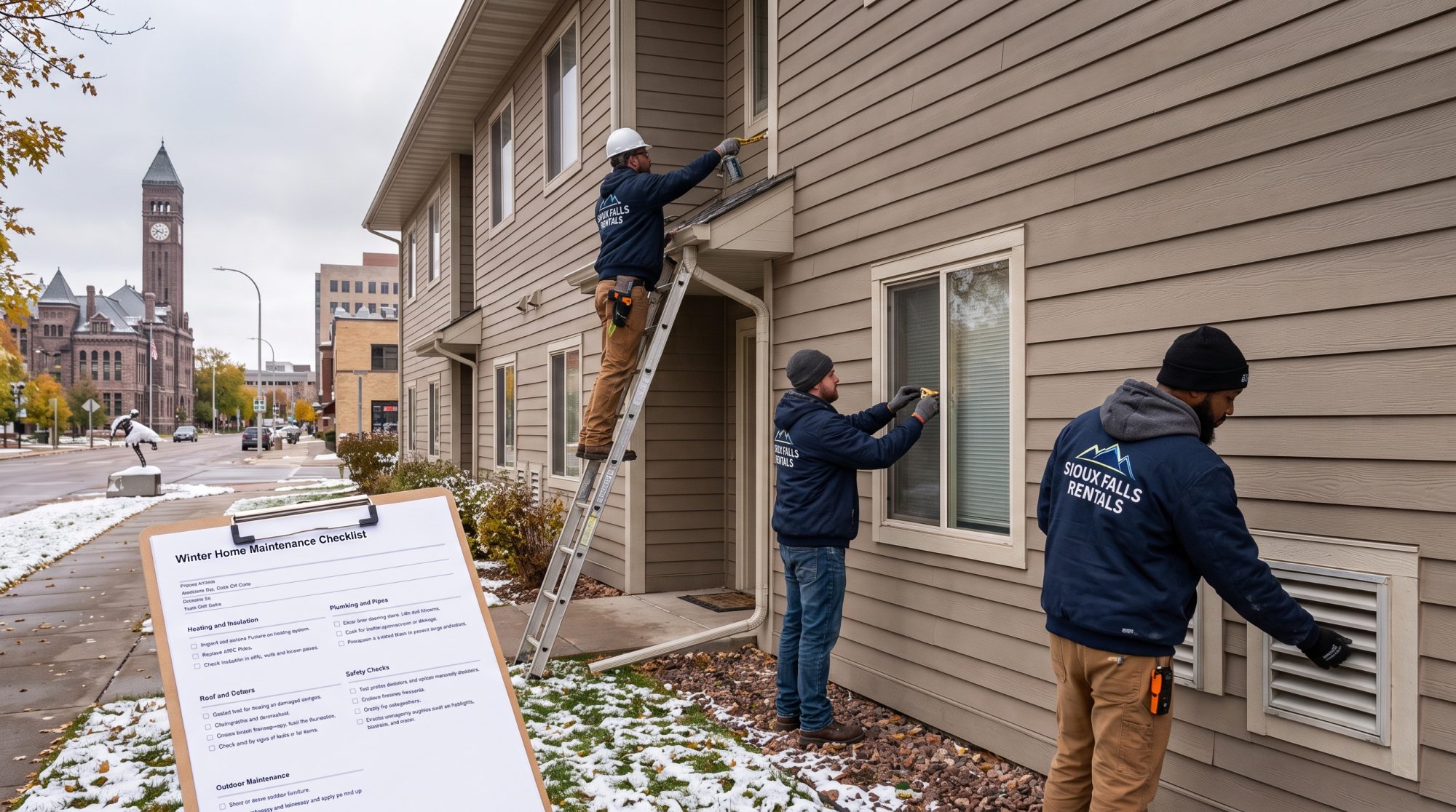
Before the first hard freeze, walk the property and check the basics. Clean out gutters and downspouts so melting snow has somewhere to go instead of backing up under the roofline. Trim back tree branches that could snap under ice or heavy snow and land on the roof or a parked car. Inspect the roof itself for loose or missing shingles, since even a small gap can let water in once snow starts melting and refreezing.
Seal any visible gaps around windows, doors, and siding. Cold air finding its way in doesn’t just raise heating costs, it can also cause condensation problems inside the walls over a long winter.
Protect the Plumbing
Frozen and burst pipes are one of the most common and most expensive winter claims landlords deal with. Insulate any exposed pipes in crawl spaces, garages, or exterior walls. Make sure tenants know to keep the heat set to a reasonable minimum even if they’re away for the holidays, since a home that gets too cold is exactly when pipes are at risk.
If the property has an outdoor spigot, disconnect and drain garden hoses and shut off the exterior water line if there’s a separate shutoff valve. It’s a five minute job that prevents a very expensive repair.
Service the Heating System
Have the furnace or heating system inspected and serviced before winter hits, not after a tenant calls with no heat during a cold snap. A poorly maintained system is more likely to fail at the worst possible time and can also become a safety issue if it’s not venting properly.
Replace air filters and make sure carbon monoxide detectors are installed and working near any fuel-burning appliances. This is both a safety requirement in many rental situations and a simple way to avoid a much bigger problem later.
Communicate With Tenants
A lot of winter damage comes down to simple miscommunication. Give tenants clear instructions on what to do if they lose heat, notice a leak, or see ice building up somewhere unusual. Let them know who to contact and how quickly you expect to respond. A tenant who knows to report a small drip right away can save you from a much bigger claim a few weeks later.
Review Your Insurance Coverage
Winterizing the property physically is half the job. Making sure your insurance actually covers what a South Dakota winter can throw at it is the other half.
Landlord Insurance is built specifically for rental property owners and typically covers the structure, certain contents you provide, liability if a tenant or guest is injured, and loss of rental income if the property becomes uninhabitable after a covered loss like a burst pipe or ice dam. See our short-term and long-term rental insurance page for how this coverage is structured.
Renters Insurance protects your tenants’ personal belongings and adds a layer of liability protection that your landlord policy doesn’t cover. Many landlords require it as a lease condition. Our renters insurance page breaks down what it typically includes.
Home Insurance may apply if you occasionally rent out a portion of an owner-occupied property, though coverage can vary significantly depending on how the space is used. Check our home insurance page for details on what’s included.
If you manage rental properties as part of a larger operation, coverage like general liability or a business owners policy may also come into play depending on how the business is structured.
What to Do if Damage Happens Anyway
Even a well-prepared property can still take damage during a bad winter. If a pipe bursts or ice causes a leak, shut off the water if possible, document the damage with photos before cleanup begins, and contact your insurer as soon as you can. Quick action limits secondary damage like mold and makes the claims process go faster.
More From Our Blog
Winter isn’t the only season that puts a property at risk. Check out our earlier post, Home Insurance After Storm Damage in Dell Rapids, SD, for what to do when severe weather causes damage outside of the winter months.
Get Your Coverage Reviewed Before the Freeze
The best time to check your policy is before a claim, not during one. Our local team can review your landlord coverage and make sure it actually matches the risks a South Dakota winter brings.
Request a free policy review or browse more insurance guides on our site.